
High memory usage on Windows 11 is usually expected, not a sign of trouble: the system deliberately fills free RAM with cached files to speed up app launches. If your PC feels slow or unresponsive, start with three things: restart, open Task Manager to see which process is actually using memory, and disable unnecessary startup apps. The sections below walk through deeper diagnostics if those don't fix it.
TL;DR:
- Check Available memory, Committed charge, and Hard Faults per second rather than the In use percentage; paging and sluggish response reveal real pressure.
- Sleep unused browser tabs and inspect the browser task manager, since tabs and extensions often consume the most memory.
- If Task Manager cannot explain usage, compare RAMMap snapshots before and after slowdown; growing kernel pools without a matching process suggest a driver leak.
- For everyday work, 8GB can feel tight and 16GB is more comfortable; gaming or content creation benefits from 32GB or more.
- Leave SysMain enabled on modern SSD systems; test disabling it only on older hard drive PCs or when disk thrashing occurs, because app launches may slow.
Table of Contents
- Five quick fixes to try before anything else
- How to read your memory numbers correctly
- Common causes of high RAM use and how to fix each one
- Using RAMMap and VMMap to find hidden memory bloat
- When to upgrade RAM, reset Windows, or get help
- Chasing a lower number isn't the goal
- A guided way to keep memory issues from coming back
- FAQ
- Sources
Five quick fixes to try before anything else
Most high memory complaints resolve with a short triage pass. Work through these in order before moving to deeper diagnostics.
- Restart your PC to clear temporary leaks and reset cached memory, then watch whether usage climbs back up quickly.
- Open Task Manager, sort the Processes tab by Memory, and look for anything using far more than its usual share.
- Go to Task Manager's Startup tab and disable apps you don't need running the moment you log in, then check Settings for background app permissions.
- Tame your browser: enable sleeping or efficiency mode for inactive tabs, close tabs you aren't using, and remove extensions you no longer need, since browser content and extensions are frequent, large contributors to RAM use.
- Run a full antivirus scan and check for pending Windows and driver updates, since outdated drivers are a common hidden cause of memory pressure.
For a step-by-step walkthrough of disabling startup items without breaking anything you rely on, see our guide to cutting background processes safely. If Delivery Optimization is actively uploading or downloading updates in the background, pausing it can free up I/O and memory temporarily, though it's rarely the main cause of ongoing pressure.
Pro Tip: Check back an hour after your fixes. If memory usage climbs right back to where it was, you're dealing with a recurring cause, not a one-time fluke, and you'll need the diagnostics below.
How to read your memory numbers correctly
A raw percentage in Task Manager tells you almost nothing on its own. What actually matters is whether your system has enough available memory to respond quickly when you open something new.
- In Task Manager's Performance tab, watch Available memory and Committed charge rather than the raw "In use" percentage, since Windows treats unused RAM as wasted capacity and fills it with cache on purpose, according to Engadget's explainer on Windows memory behavior.
- Use the Processes and Details tabs to check each process's working set, and open Resource Monitor to watch Hard Faults per second, which spike when your system is paging memory to disk under real pressure.
- When the Processes tab doesn't add up to your total memory use, the gap is often sitting in the nonpaged or paged kernel pools, which standard tools don't show, as explained in Microsoft's cache memory troubleshooting documentation. That's where tools like RAMMap come in.
- Note when the slowdown appears: right after boot, after launching a specific app, or gradually over hours or days, since the timing points to different causes.
Our guide on checking RAM usage in Windows walks through each of these screens with screenshots if you want a slower pace.
Common causes of high RAM use and how to fix each one
Most memory complaints trace back to a handful of repeat offenders. Working through them in order saves you from guessing.
Startup and background apps build up quietly over months as you install new software, and many register themselves to launch at boot without asking. Prune the list in Task Manager's Startup tab, and check our guide to delaying startup apps for a method that doesn't break functionality you actually use.
Browser tabs and extensions are often the single largest consumer on a typical PC. Enable your browser's sleeping tabs or efficiency mode, close tabs you're not using, and open your browser's own task manager to see which tab or extension is the heaviest.

SysMain (formerly Superfetch) and Delivery Optimization both serve legitimate purposes: SysMain preloads frequently used apps into cache, and Delivery Optimization shares update bandwidth across devices. Disabling SysMain rarely helps on modern SSDs and can make app launches feel slower; it's worth testing only on older hard-drive-based systems or systems with chronic disk thrashing. Our walkthrough on disabling SysMain safely covers how to test the change and revert it if launches get slower.
Outdated drivers and memory leaks are harder to spot because they often grow in the kernel pools rather than in any single process you'd notice in Processes. If memory climbs steadily with no obvious culprit, update your drivers first and watch whether the leak stops.
If you suspect malware, run a full scan with Microsoft Defender or another scanner from Safe Mode, since some malicious processes hide or throttle themselves when the system is under normal observation.
Avoid registry cleaners and "one-click" RAM boosters. They tend to make speculative changes with no clear undo path, and the gains they promise rarely show up in real use. Favor fixes you can explain and reverse, like the ones above, over anything that claims to magically free gigabytes of memory.
Pro Tip: Uninstall apps you no longer use instead of just disabling them. A dormant app can still register background services that quietly eat memory. For removing leftover software and bloat, see our guide to removing bloatware on Windows 11.
Using RAMMap and VMMap to find hidden memory bloat
When Task Manager's numbers don't add up, the gap usually lives somewhere standard tools don't look. RAMMap is a free Sysinternals utility built to break down exactly where physical memory is going.
- RAMMap's Use Counts, File Summary, and Priority Summary tabs show how much memory is held by system file cache, mapped files, and NTFS metafile caching, which can reveal driver or workload patterns invisible to Task Manager.
- VMMap inspects a single process's committed virtual memory and working set, which helps pinpoint whether a specific app is the source of a slow leak.
- Use a snapshot workflow: capture a RAMMap or VMMap snapshot, reproduce the slowdown, then take a second snapshot and compare which allocations grew.
A nonpaged or paged kernel pool that keeps growing across snapshots without a matching process in Task Manager usually points to a driver-level leak rather than an application, and a reboot will mask it temporarily without fixing the root cause. If the growth tracks back to a specific device driver, that's your cue to check for an update or contact the hardware vendor directly.
When to upgrade RAM, reset Windows, or get help
If Available memory stays low and your system pages constantly even during normal browsing and office work, more RAM is usually the most direct fix.
- Consider a reinstall or reset when RAMMap and Resource Monitor point to persistent, unexplained growth that survives driver updates and malware scans.
- For general use and light multitasking, 8GB can work but feels tight; 16GB is comfortable for most everyday workloads, and gaming or content creation workloads benefit from 32GB or more.
- Before reinstalling, back up your files and confirm your apps and drivers have Windows 11 compatible versions available.
- If a specific driver seems responsible, check the vendor's support site before assuming you need new hardware.
Chasing a lower number isn't the goal
High cache usage is often a sign Windows is doing its job, not a problem to chase down. The real goal is removing unnecessary background clutter, not forcing "In use" toward zero, since that cache is what makes your frequently used apps open faster in the first place.
The safest optimization approach is one that explains every change and lets you undo it, rather than one that promises a lower percentage with no accountability for what it touched.
— Ian
A guided way to keep memory issues from coming back
If you've worked through the checklist above and still find yourself wondering what's actually using your memory, consider using a diagnostic tool that scans your live CPU, RAM, GPU, and disk metrics, then explains in plain language what's consuming resources and why, with a clear undo path attached to every change it suggests.
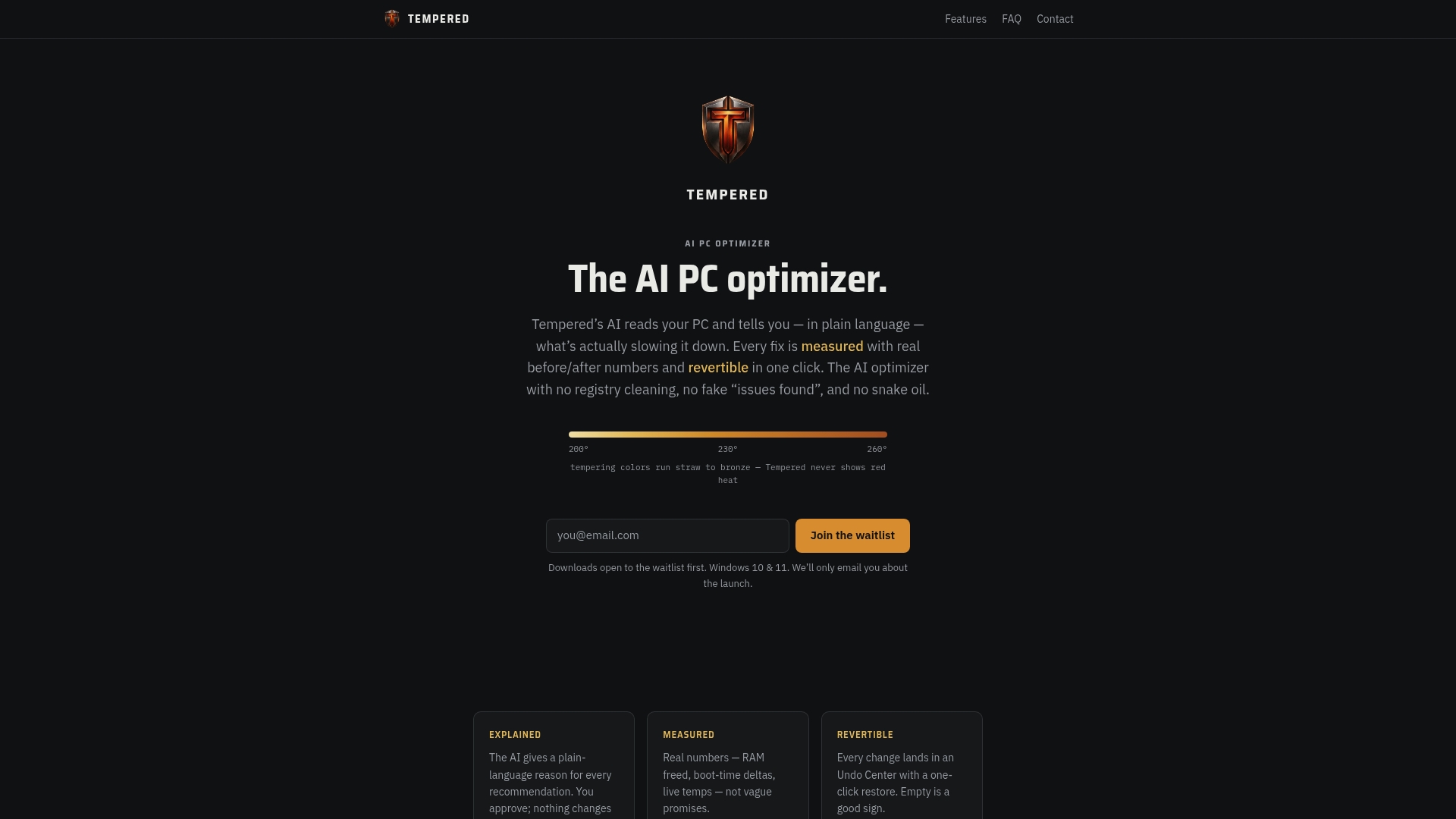
Such diagnostic tools are most useful when memory issues are recurring or unclear, as they flag background processes and startup clutter automatically instead of requiring you to hunt through Task Manager and Resource Monitor yourself. Suggested tweaks come with the expected outcome spelled out before approval, and nothing changes on your system without your explicit consent.
| Plan | Price | Best for |
|---|---|---|
| Free | Not published | Trying limited AI scans before committing |
| Torque | From $5.99/month | Regular diagnostics and higher scan limits |
| Torque Max | From $12.99/month | Unlimited scans and premium features |
If you're tired of guessing which process is slowing you down, compare our plans and start with the free tier to see what's actually running on your machine.
FAQ
How do I lower the RAM usage in Windows 11?
Start by restarting your PC, disabling unnecessary startup apps in Task Manager, and closing or sleeping unused browser tabs. If usage stays high after that, check Resource Monitor for a specific process or driver causing sustained pressure, and consider tools like RAMMap for deeper diagnosis.
Is 37% RAM usage normal?
Yes, a usage percentage in that range is generally fine and often means your system has plenty of headroom. What matters more than the percentage is whether your Available memory is sufficient for your workload and whether your PC stays responsive, since Windows 11 treats unused RAM as a resource to actively put to work.
Is 8GB RAM enough for Windows 11 in 2026?
8GB can handle basic browsing and office tasks but tends to feel tight once you add multiple browser tabs, background apps, or any gaming or creative software. For comfortable multitasking, 16GB is a more practical baseline today.
Why is my RAM suddenly so high?
A sudden spike usually points to a newly installed app with a startup entry, a browser tab or extension consuming more than usual, or a driver issue causing a memory leak. Check Task Manager's Processes tab first, and if nothing stands out there, a kernel-level leak inspected with RAMMap is the next likely explanation.
Should I disable SysMain to reduce memory usage?
Disabling SysMain rarely helps on modern SSD-based systems and can make frequently used apps launch more slowly since it stops preloading them into cache. It's worth testing only if you're on an older hard-drive system or seeing specific disk thrashing tied to it.
Sources
For hands-on diagnosis, download RAMMap and VMMap directly from Microsoft's Sysinternals documentation. For background on why Windows 11 fills RAM by design, Engadget's piece on Windows memory behavior is worth bookmarking, as is Windows Central's deep dive on the hidden msconfig memory limit and PureInfotech's troubleshooting checklist. If you run resource-heavy audio software alongside everything else, SoundBridge's tips on reducing CPU usage in music production cover workflow-specific optimization worth a look.
- Why Windows 11 is always using so much RAM — Engadget